
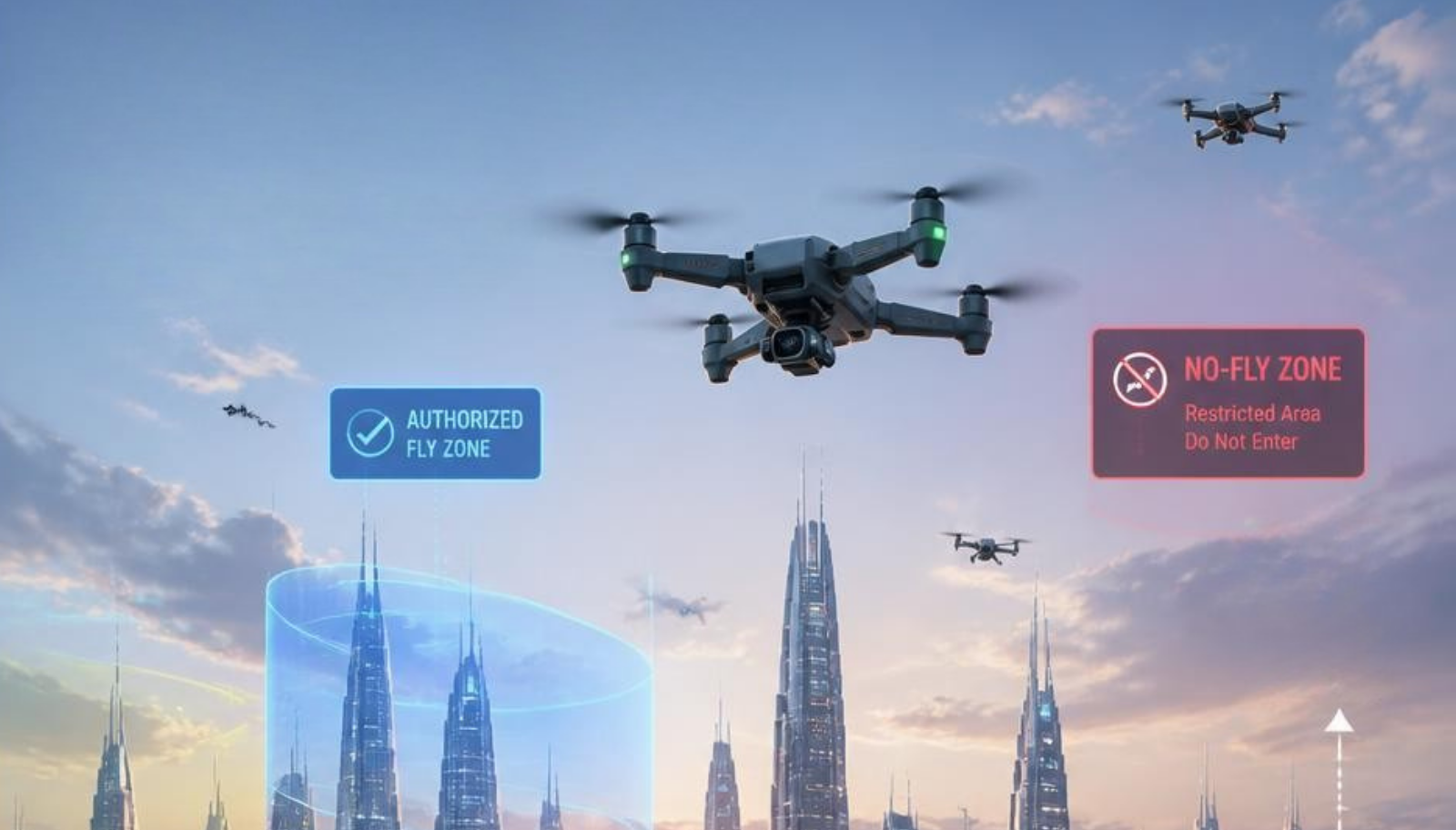
Survey firms already face pressure from staffing shortages, growing workloads, and tighter margins. The 2026 DJI regulatory picture does not require private survey firms to ground existing aircraft, but it does add a new question to the next investment decision: will the platform remain available, supportable, and eligible for the work the firm wants to pursue? The FCC itself has said previously purchased drones can continue to be used.
A drone program should increase capacity and reduce rework, not create another operational risk. The next platform needs to support a repeatable Collect → Process → Deliver workflow your existing team can use confidently.
What the FCC Rules Actually Mean
In December 2025, the FCC added foreign-produced UAS and critical components to its Covered List. Covered new device models cannot receive FCC equipment authorization. The FCC expressly said the action did not prohibit use of previously purchased drones or previously authorized existing models (FCC, Dec. 22, 2025).
On August 24, 2026, the Federal Register published an FCC proceeding proposing restrictions on the continued importation and marketing of certain previously authorized covered equipment. An important nuance for this article: the current proposal specifically addresses certain Anzu equipment and states that it would not affect continued use of already-purchased equipment. It is not a blanket DJI grounding order (Federal Register, Aug. 24, 2026, 91 FR 54713).
For a survey firm owner, the bigger concern isn't whether today's DJI aircraft suddenly stops flying. It's what the evolving regulatory environment could mean for future platform availability, support, and the projects your firm can pursue. That makes replacement planning and supply-chain continuity reasonable business considerations.
What This Changes for Survey Firms
Operations and procurement are separate issues. Qualifying commercial small-UAS work remains subject to FAA Part 107 requirements. Federal work can be more restrictive: FAR 40.202 prohibits executive agencies from procuring FASC-prohibited UAS and, absent an applicable exemption, exception, or waiver, restricts federal funds from being used for their procurement or operation. Firms pursuing federal or federally funded work should review each solicitation and contract clause before choosing a platform.
Keep, Plan, or Evaluate?
Keep a current DJI system when it still meets project requirements, remains serviceable, and does not limit the work in your pipeline. The FCC's December action expressly preserved continued use of previously purchased equipment, so do not replace productive equipment solely because of headlines.
Plan replacement when the aircraft is nearing refresh, availability or support is becoming a concern, or public-sector requirements may affect future work.
Evaluate alternatives now when a bid, customer requirement, fleet expansion, or LiDAR investment makes compliance and long-term availability part of the decision. SmartDrone's buyer research shows that the strongest-fit firms are often dealing with large projects, limited staffing, repeat work, lost bids, or the need to expand capabilities.
What to Compare Before Replacing DJI
Use seven filters: accuracy, workflow fit, repeatability, support, project eligibility, economics, and regulatory durability.
Accuracy deserves particular attention. ASPRS positional-accuracy standards include dedicated best-practice guidance for UAS, photogrammetry, lidar, and field surveying. In other words, evaluate accuracy as part of the complete mapping and verification workflow, not from a sensor specification alone.
The stronger investment is the one your team can repeat from collection through processing, QA, and delivery, while protecting capacity and reducing unnecessary rework.
Buy Versus Membership or Subscription
Buying a drone platform usually requires a larger upfront capital commitment. However, it gives the firm ownership of the equipment and greater control over how the system is implemented and operated. Eligible purchased equipment may also qualify for Section 179 or other depreciation treatment. For 2026, the federal Section 179 maximum is $2.56 million, with the phase-out beginning when qualifying property placed in service exceeds $4.09 million.
A membership or subscription model can reduce the upfront cash requirement by spreading costs into recurring payments. Depending on the program, processing, training, quality assurance, support, and other workflow services may also be included. That can reduce the internal burden of building and managing the entire drone workflow yourself and potentially shorten the time it takes to put the system to productive use.
Tax treatment should not be assumed, however. The IRS distinguishes a true lease or service arrangement from a conditional sales contract. Survey firms should have their tax professional review the specific agreement to determine how payments should be treated.
The better choice ultimately depends on more than purchase price. Compare cash flow, expected project volume, internal expertise, processing requirements, support needs, and ROI to determine which model best supports your firm's long-term capacity and growth.
Plan Around the Business, Not the Headline
DJI restrictions do not mean a productive aircraft has to come out of service tomorrow. They do mean procurement eligibility, future availability, support, and regulatory durability now belong on the same checklist as accuracy, workflow, and ROI.
Your next system should help the existing team do more work, produce repeatable deliverables, reduce rework, and support repeat projects that can become recurring revenue. That is consistent with SmartDrone's core focus on expanding capacity without building another field crew or dedicated drone department.
If you're evaluating what comes after DJI, book a strategy call to review your project pipeline, current workflow, and the requirements your next platform needs to meet.


.jpg)
-1.png)